


One Employee Record for Payroll, Benefits, and Time
ADP Workforce Now consolidates HR, payroll, and benefits into a single database for 50-1,000 employee companies tired of reconciling data across disconnected tools.
12 min read
ADP Workforce Now consolidates HR, payroll, and benefits into a single database for 50-1,000 employee companies tired of reconciling data across disconnected tools.
12 min read
Sponsored Feature
Growing companies between 100 and 500 employees face a particular operational headache: their HR infrastructure becomes a patchwork of disconnected systems. Payroll lives in one tool, benefits enrollment in another, time tracking in a third, and employee records scattered across spreadsheets and legacy databases. Every pay cycle becomes a manual reconciliation exercise. Every new hire triggers a cascade of duplicate data entry. Every compliance question requires hunting through multiple systems for answers.
This fragmentation isn't just inefficient—it's risky. When your payroll system doesn't talk to your time tracking software, errors compound. When benefits data lives separately from employee records, enrollment mistakes slip through. For midsize companies without dedicated IT teams to build custom integrations, the question becomes whether to keep cobbling together point solutions or move to a unified platform that handles the entire employee lifecycle in one place.
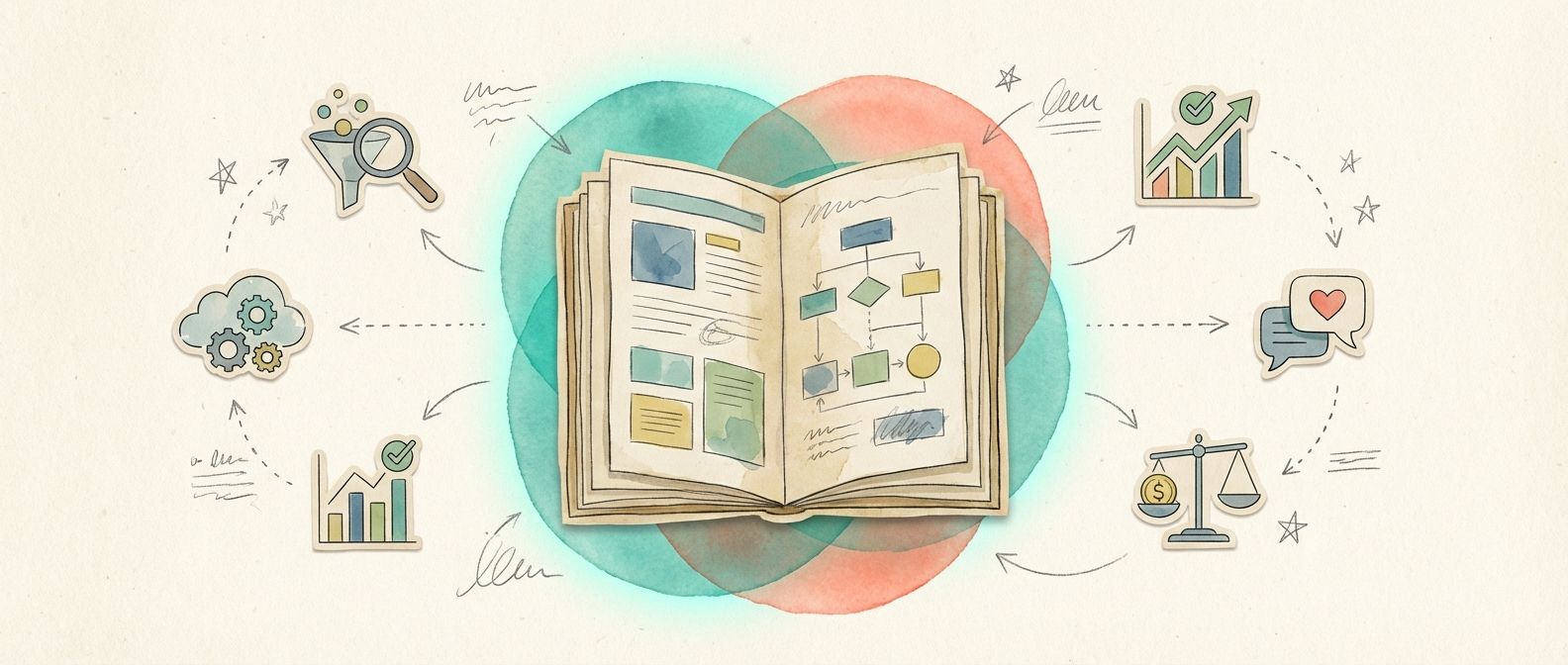
ADP Workforce Now is ADP's all-in-one HCM suite designed specifically for this mid-market challenge. Rather than excelling at one narrow function, the platform aims to be competent across the full HR spectrum: payroll processing, HR management, time and attendance, benefits administration, recruiting, and talent management all share a single database and employee record.
The payroll engine sits at the core, which makes sense given ADP's 75-year history in the space. The system handles multi-state tax calculations automatically, maintains compliance with evolving federal and state regulations, and processes pay for roughly one in six U.S. workers across ADP's client base. Recent additions include what ADP calls "continuous payroll"—real-time gross-to-net calculations that let administrators preview pay impacts before finalizing runs—and AI-powered anomaly detection that flags unusual entries before they become expensive mistakes.
Beyond payroll, the platform connects to over 300 insurance carriers for benefits administration, integrates time tracking with labor cost analytics, and includes recruiting tools that post to major job boards like LinkedIn, Indeed, and ZipRecruiter. The ADP Marketplace adds hundreds of third-party integrations for companies that need to connect Workforce Now to their existing ERP, accounting software, or collaboration tools.
What distinguishes ADP's approach from newer HR tech entrants is the company's emphasis on compliance infrastructure and benchmark data. Drawing from its database of over 40 million workers, ADP provides compensation benchmarking, turnover analytics, and industry comparisons that smaller vendors simply cannot match. The 2025 addition of ADP Assist—a conversational AI assistant—lets administrators ask natural-language questions like "How are overtime costs trending?" and receive visualized answers without building custom reports.
ADP Workforce Now targets U.S. and Canadian companies with roughly 50 to 1,000 employees—organizations large enough to need integrated HR infrastructure but not so large that they require enterprise-grade systems like Workday or SAP SuccessFactors. The platform works particularly well for companies with hourly workforces, multiple locations, or complex benefits structures where the coordination between time tracking, payroll, and benefits enrollment matters most.
The typical buyer is a growing company that has outgrown basic payroll services but doesn't have the IT resources to manage integrations between best-of-breed point solutions. Industries with strong representation among Workforce Now clients include healthcare, manufacturing, food service, and retail—sectors where compliance requirements are stringent and workforce management complexity is high. If your HR team spends significant time reconciling data between systems or manually transferring information from one platform to another, you're the profile ADP built this product for.
Customer evidence suggests the platform delivers on its consolidation promise. Flying Food Group, an airline catering company with over 5,000 employees, reported $2 million in annual savings after deploying Workforce Now and reduced benefits data errors from 30 percent to 3 percent. ABB Optical Group, a mid-sized retailer, attributed a 20 percent reduction in turnover to insights gained through ADP's people analytics capabilities.
User reviews on G2 and Capterra—where the platform holds ratings of 4.2 and 4.4 stars respectively across thousands of reviews—consistently praise the integrated approach. One reviewer noted that "ADP Workforce Now offers a reliable and centralized solution for payroll, benefits, and employee record management" with "powerful reporting tools." The mobile app, rated 4.7 stars with over 3.9 million reviews, receives particular praise for employee self-service features that reduce administrative burden on HR teams. However, reviewers also note the learning curve: the interface can feel dated compared to newer SaaS competitors, and some users report frustration with support response times for complex issues.
ADP does not publish fixed pricing for Workforce Now, instead offering custom quotes based on company size, selected modules, and service level. The platform uses three tiers—Select, Plus, and Premium—that bundle different combinations of payroll, benefits, and workforce management features, with additional modules available à la carte. Industry estimates suggest pricing starts around $20-28 per employee per month for core functionality, though actual costs vary significantly by configuration. Implementation timelines range from a few weeks for basic payroll to three to six months for full HCM deployments, and most organizations should budget for professional services and training to ensure successful adoption.
For midsize companies tired of managing a fragmented HR technology stack, ADP Workforce Now offers a credible path to consolidation backed by decades of payroll expertise and compliance infrastructure. The platform may not win awards for modern interface design, but it delivers where it matters most: reliable payroll processing, integrated data across the employee lifecycle, and the benchmark analytics that help HR teams move from administrative function to strategic partner. Forrester's recognition of Workforce Now as a Leader in its 2025 HCM evaluation, citing the platform's AI roadmap and payroll capabilities, suggests ADP is investing to stay competitive as the market evolves.
Learn more at adp.com
Explore Topics

0%