

PeopleOps Explained: The New Playbook for HR Leaders
What separates People Ops from traditional HR, and why the distinction matters for growing companies.
by
The human resources landscape is currently undergoing a massive identity shift. We’ve moved from "Personnel" to "Human Resources," and now, in the era of agile startups and digital transformation, we are seeing the rise of "People Operations."
But is "People Ops" just a trendy rebrand for the LinkedIn bio, or does it represent a fundamental change in how we manage the workforce?
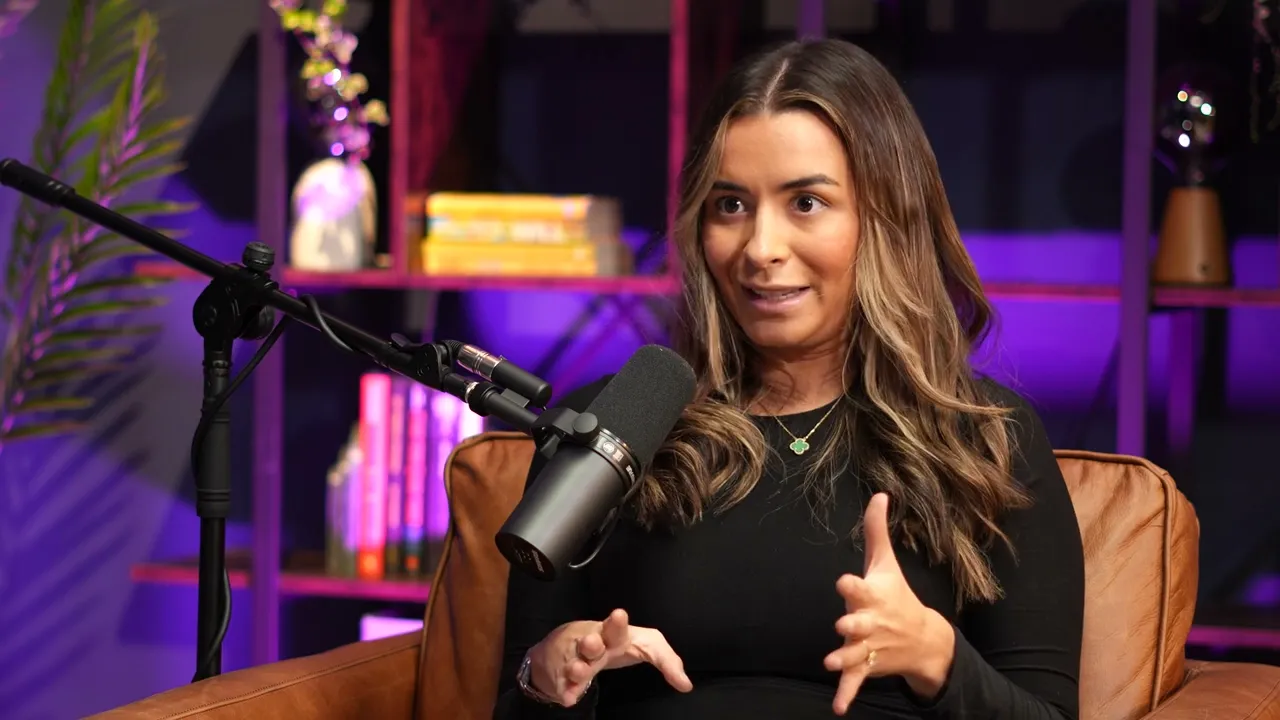
In a recent episode of the Plumm Pod, host Georgia sat down with Jag Gill, a People Operations Leader, to dissect the nuance between traditional HR and this new, data-centric methodology. Their conversation shed light on why modern businesses—particularly those in the tech and startup space—are ditching the siloed approach for a holistic, systems-thinking mindset.
Here is what we learned from their discussion about the future of HR, the role of the tech stack, and why agility is non-negotiable.
During the interview, Jag describes People Ops not as a separate entity, but as "HR 2.0."
Where traditional HR has historically been viewed as a compliance and administrative function—often operating in a silo—People Operations acts as an umbrella that covers the entire employee lifecycle through an operational lens.
"People Operations feels like a refreshed version of HR... focusing a lot more on the HR tech stack, implementing it, and focusing a lot more on data." — Jag Gill
The distinction is clear: Traditional HR is often reactive (fixing problems after they arise), while People Ops is proactive (using data to anticipate needs before they become problems).
One of the most compelling arguments for the shift to People Ops is the integration of technology.
For decades, HR professionals have been bogged down by repetitive administrative queries: "What is the holiday policy?" or "Can you explain the maternity leave clause?"
Jag points out that the modern HR tech stack—driven by AI and self-service portals—renders the "gatekeeper of policy" role obsolete. While this terrifies some traditionalists who fear their utility is diminishing, it actually liberates the People function.
When the tech stack handles the admin, People Ops professionals get the space to do the "cool stuff": designing culture, improving retention strategies, and actually talking to humans.
A major takeaway from the Plumm Pod episode is the necessity of Systems Thinking.
In a traditional setup, if retention drops, HR reports the churn rate. In a People Ops setup, the team looks at the entire ecosystem. They ask:
Is retention down because of a specific manager's performance?
Is it correlated with a recent change in business strategy?
What does the engagement data say about that specific department?
Jag emphasizes that you cannot view HR in a vacuum. You must look for patterns across the organization. This requires a skill set that goes beyond empathy; it requires analytical capability and the ability to integrate data from payroll, performance management, and engagement tools to tell a cohesive story.
The "Great Resignation" and the subsequent tech rightsizing have taught us one thing: Leaner teams are the new normal.
Jag notes that in the Seed to Series B stage, you can no longer afford to have one person just for payroll, one for ER, and one for L&D. Modern People leaders must wear multiple hats. To do this effective, you must kill bureaucracy.
"I have felt that people in traditional HR roles sometimes create bureaucracy around them to protect their jobs... If you really embrace agility, you need to be happy with change."
To be agile means to trial, test, and iterate. Instead of spending six months building a perfect performance review system that no one uses, People Ops encourages trialing a system with one team, gathering data, and iterating before a full rollout.
Finally, the transition to People Ops requires a radical shift in communication. The days of hoarding information are over. Jag advocates for a "Transparent First" approach.
Employees today, specifically Gen Z, expect to know the "Why" behind decisions. If you are implementing a new piece of HR software or changing a policy, you cannot simply issue a mandate. You must explain the business case and how it impacts their day-to-day life.
As Jag eloquently put it, people are choosing to spend a massive chunk of their lives at your company—they deserve to know why things are happening.
The conversation between Georgia and Jag serves as a wake-up call for the industry. The transition from Traditional HR to People Ops isn't just about adopting new software; it's about adopting a new mindset. It’s about being curious, understanding the business as a whole system, and using data to drive human-centric decisions.
If you are an HR professional feeling an "identity crisis" between operations and human resources, take Jag’s advice: "Keep going and trust the process." The future of work lives at the intersection of both.